Tarot guidance and card library
Tarot Readings & Card Meanings
Ask a focused question, draw a card, or explore the symbolism and practical meaning of every card in the 78-card deck.
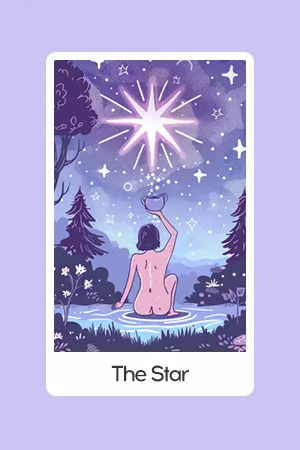
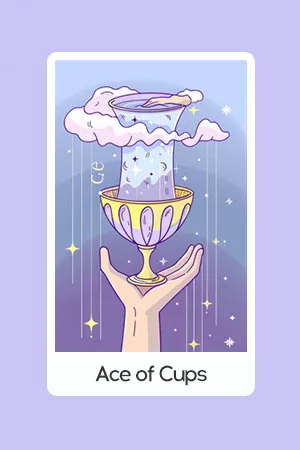
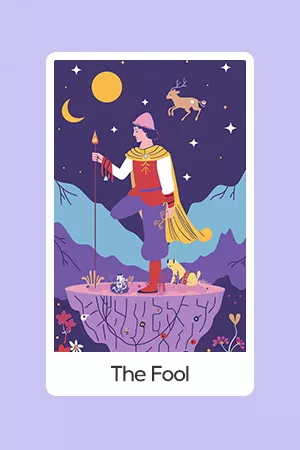
Your question stays in this browser and is not added to the URL.
Choose a reading
Start with the question you have today
The complete tarot deck
Explore all 78 tarot card meanings
Browse by arcana or suit. Each guide covers upright and reversed meanings, love, career, finance, health, combinations, and yes or no questions.
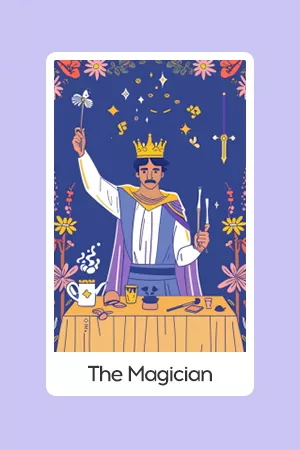
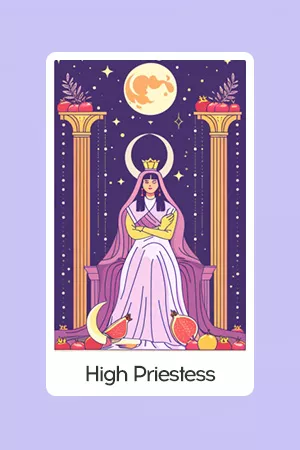
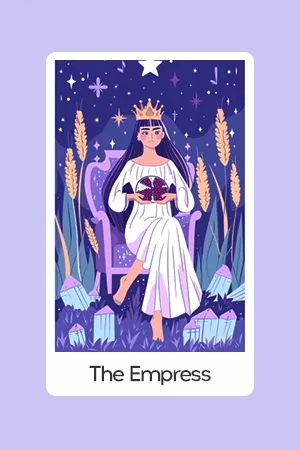
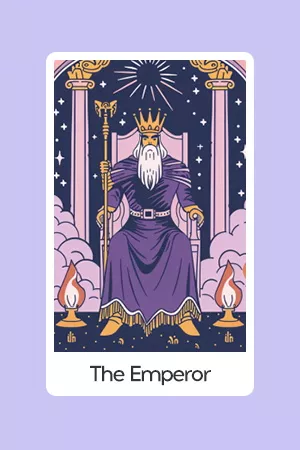
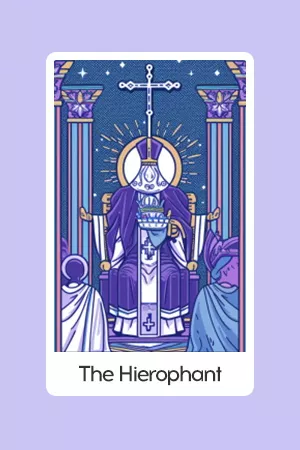
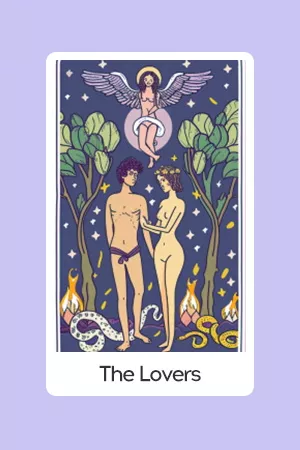
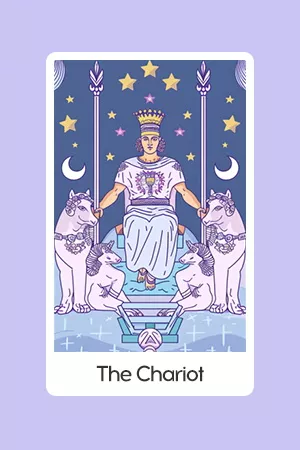
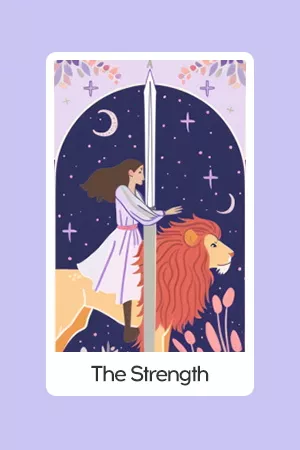
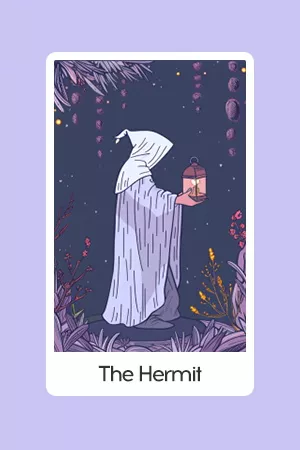
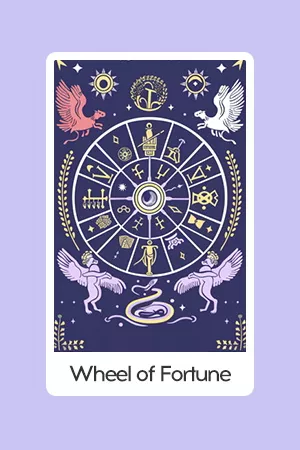
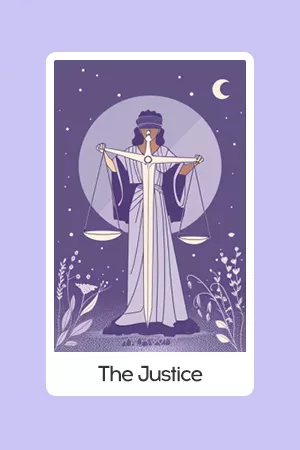
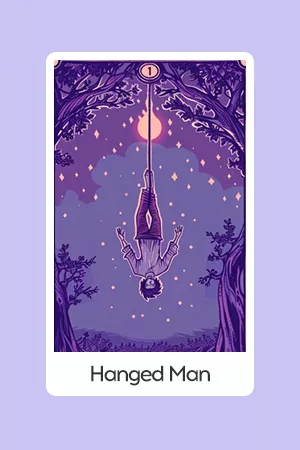
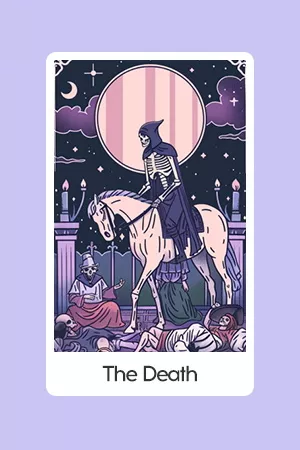
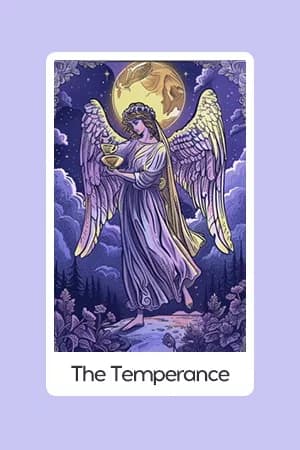
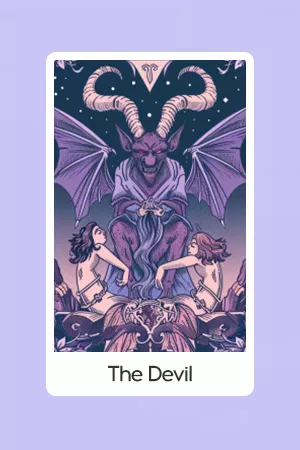
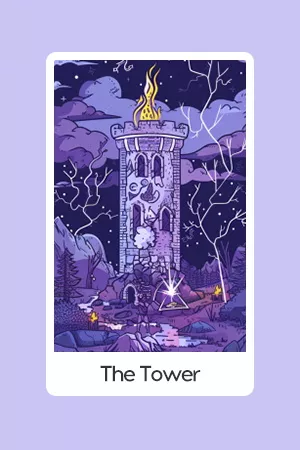
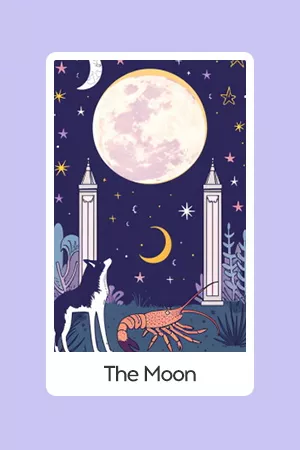
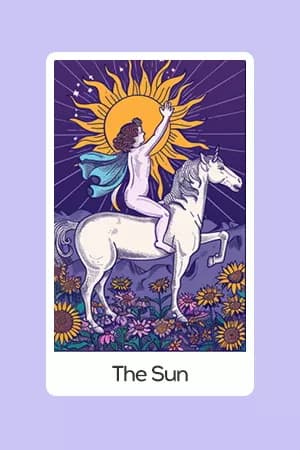
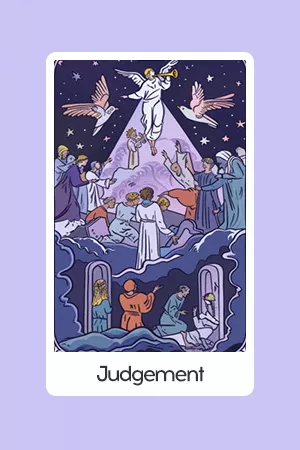
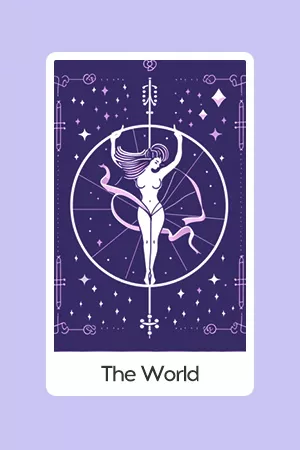
Reading the deck
A visual language for patterns and choices
The Major Arcana follows a symbolic journey through beginnings, challenges, insight, change, and integration. These cards often appear when a question touches a larger chapter of life.
The Minor Arcana brings that journey into everyday experience. Wands speak to drive and creativity, Cups to emotion and connection, Swords to thought and conflict, and Pentacles to work, resources, and the physical world.
A tarot reading is most useful when it creates a better question. Notice what the card makes easier or harder to admit, then decide what action remains yours to take.
Venus Rose
When a card opens a more personal question
Talk through relationship patterns, mixed signals, and the decision behind your reading with AstroInner's AI mentor.
Tarot FAQ
How many cards are in a tarot deck?
A traditional tarot deck contains 78 cards: 22 Major Arcana and 56 Minor Arcana divided among Wands, Cups, Swords, and Pentacles.
What is the difference between Major and Minor Arcana?
Major Arcana cards describe larger life themes and turning points. Minor Arcana cards tend to reflect everyday emotions, choices, relationships, work, and practical circumstances.
What do upright and reversed tarot cards mean?
An upright card usually expresses its energy directly. A reversed card can point to an internalized quality, delay, imbalance, or a need to approach that energy differently.
Can tarot predict the future?
Tarot is more useful as a reflective tool than as a guaranteed prediction. It can help you name patterns, possibilities, and choices, but your decisions still shape what happens next.